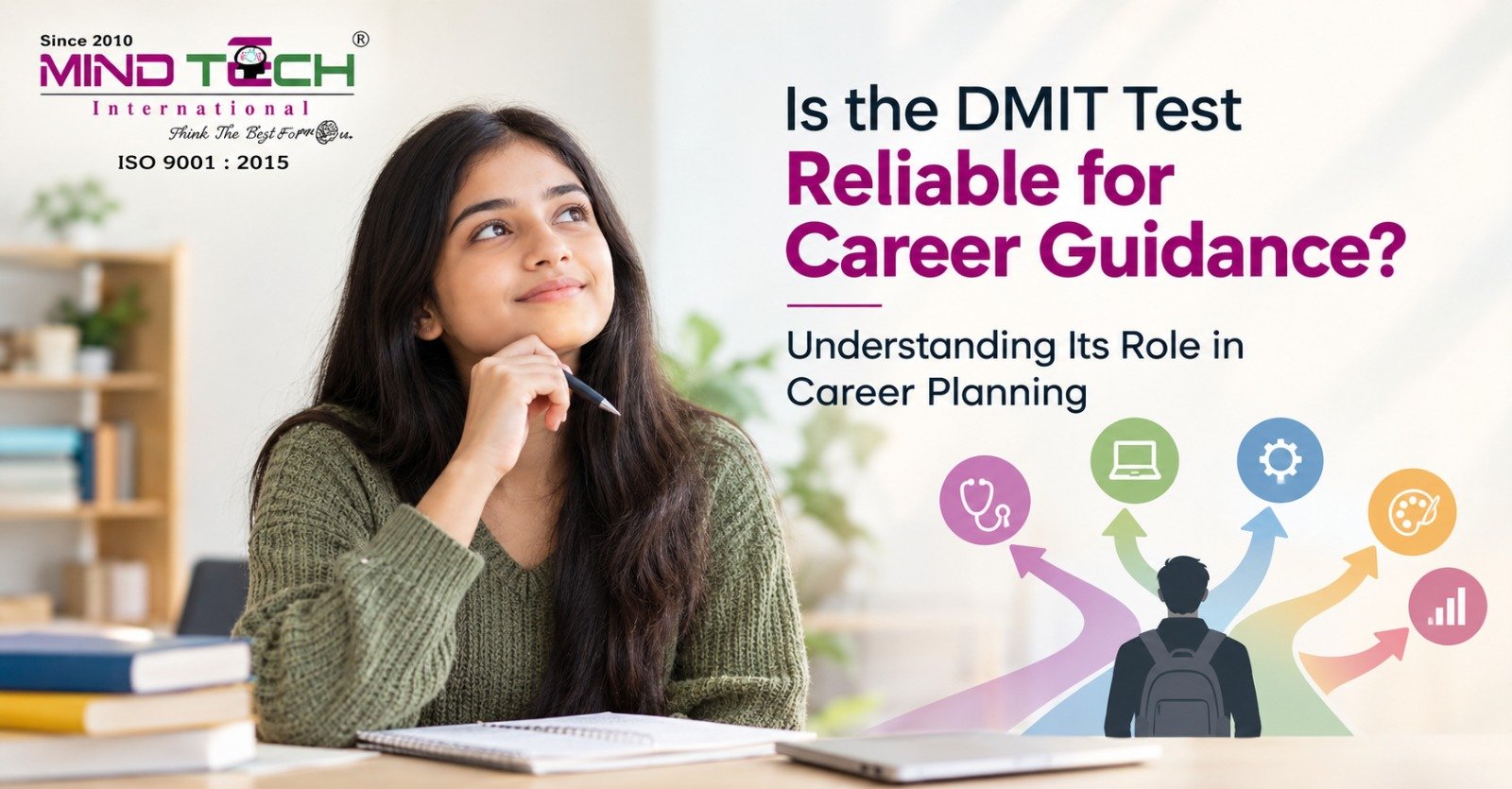

Choosing the right career can be challenging for students and parents. With so many educational options and professional paths available, understanding a student’s interests, abilities, and learning preferences can help make career planning more meaningful. The Dermatoglyphics Multiple Intelligence Test (DMIT) is one assessment approach that families explore during the career counselling process.
DMIT can provide a starting point for conversations about individual differences, personal development, and possible career directions. When its findings are considered alongside academic performance, interests, practical experiences, and professional counselling, students can gain a broader perspective on their future options.
What Is the DMIT Test and How Does It Support Career Guidance?
DMIT is an assessment approach that examines fingerprint patterns and provides interpretations related to individual characteristics, potential strengths, and learning preferences.
During career counselling, the assessment report can serve as a reference for discussing a student’s preferences, areas of interest, and possible development opportunities. It can also encourage students and parents to explore different educational pathways rather than focusing on only one career option.
Every student has a different combination of interests, experiences, and aspirations. Therefore, DMIT findings should be considered as part of a wider discussion rather than as a final decision about a student’s future.
Is the DMIT Test Reliable for Career Guidance?
The usefulness of any career assessment depends on how its findings are interpreted and applied. DMIT can be incorporated into a structured counselling process to encourage self-reflection and help students explore questions about their interests and future goals.
A detailed assessment report may offer topics for discussion, but career planning should also consider a student’s academic background, demonstrated skills, personal preferences, and willingness to explore different opportunities.
For example, a student who enjoys mathematics and creative activities may want to explore engineering, architecture, product design, or other related fields. A counselling session can help the student compare these options, understand the required qualifications, and identify the skills needed for each pathway.
The goal is not to assign a student to a fixed career. Instead, the assessment and counselling process should encourage thoughtful exploration and help families make informed educational decisions.
How Can Students and Parents Make the Most of DMIT?
Parents can approach DMIT as one part of a broader career exploration journey. The following practices can make the process more useful:
- Explore individual interests: Discuss the subjects, activities, and hobbies that naturally attract the student’s attention.
- Understand current strengths: Consider academic performance, practical abilities, and skills demonstrated in everyday activities.
- Discuss learning preferences: Explore the environments and activities in which the student feels comfortable and motivated.
- Research career possibilities: Compare different professions, educational requirements, and future opportunities.
- Create a development plan: Identify skills to improve and experiences that can help the student understand a career more clearly.
Combining these discussions with assessment findings allows students to take an active role in their career decisions.
A Practical Example: Helping a Student Choose Between Science and Design
Consider a student named Aarav who performs well in mathematics and science but also enjoys drawing, creating digital illustrations, and designing posters. His parents are considering engineering as a career option, while Aarav is interested in creative professions.
During a career counselling session, the family reviews an assessment report and discusses Aarav’s interests, academic performance, and personal goals.
The counsellor then helps him explore several possibilities:
Step 1: Review academic interests. Aarav identifies the subjects he enjoys and the areas in which he performs well.
Step 2: Discuss personal preferences. He explores why he enjoys drawing, design, and problem-solving activities.
Step 3: Identify relevant skills. The counsellor helps him understand the skills that may be useful in different career fields.
Step 4: Explore educational pathways. Aarav researches engineering, architecture, product design, and related courses.
Step 5: Plan practical experiences. He tries introductory design projects, attends workshops, and learns more about the day-to-day work involved in different professions.
Through this process, Aarav gains a clearer understanding of his options. The assessment report serves as a conversation starter, while the wider counselling process helps him explore realistic possibilities.
This example illustrates why career planning benefits from looking at the student as a whole rather than relying on a single report.
How Should DMIT Be Used in a Career Counselling Process?
A well-organised career counselling process should consider multiple aspects of a student’s development. DMIT can be included as a reference point within this process, alongside other relevant information.
1. Understand the Student’s Interests
Interests can offer valuable clues about the subjects and activities a student enjoys. Conversations about hobbies, school subjects, extracurricular activities, and personal goals can help identify areas worth exploring.
2. Review Skills and Abilities
Academic performance, practical exercises, and demonstrated skills can help students understand their current strengths. They can also identify areas where further learning or practice may be beneficial.
3. Discuss Individual Preferences
Students may have different preferences regarding communication, teamwork, creative tasks, and working environments. Discussing these preferences can help them consider the types of roles and settings they might enjoy.
4. Consider Academic Goals
Career decisions should account for educational qualifications, course requirements, admission criteria, financial considerations, and long-term aspirations.
5. Encourage Career Exploration
Workshops, internships, introductory courses, professional conversations, and small projects can help students understand what different careers involve.
6. Review Progress Regularly
Interests and goals can change as students gain experience. Regular counselling discussions can help them review their plans, develop new skills, and consider additional opportunities.
DMIT and Other Career Assessment Methods
Different assessment approaches can contribute different types of information to career planning.
| Assessment approach | How it can support career planning |
| DMIT assessment | Provides a report for discussing individual characteristics and possible areas of exploration |
| Aptitude assessments | Help examine particular abilities relevant to selected tasks |
| Career interest inventories | Help students explore activities and occupational fields they may enjoy |
| Personality questionnaires | Encourage reflection on personal preferences and working environments |
| Academic records | Show performance across subjects and over time |
| Practical career exploration | Gives students opportunities to experience activities related to different professions |
Using several sources of information can help students build a more complete understanding of their options. Each assessment should be interpreted within the student’s individual circumstances.
What Should You Look for in a Career Counselling Service?
Choosing a suitable counselling service is an important part of the career planning journey. Parents and students should look for a process that encourages discussion, provides clear explanations, and supports practical decision-making.
Consider the following questions before selecting a service:
- Does the counsellor take time to understand the student’s interests and aspirations?
- Are assessment findings explained in clear and understandable language?
- Does the process consider academic performance and current skills?
- Are students encouraged to explore different career options?
- Does the counselling session provide practical suggestions for education and skill development?
- Can students revisit their decisions as their interests and circumstances evolve?
A supportive counselling environment should help students understand their options and make thoughtful decisions without feeling restricted to a single career path.
How MindTech International Supports Career Exploration
MindTech International offers a career-focused approach that brings assessment, counselling, and ongoing guidance into the wider process of personal and educational development.
Its DMIT-based assessment services provide a starting point for conversations about individual differences, learning preferences, and potential areas of interest. Through counselling and guided discussions, students and parents can explore how these insights relate to academic choices, skill development, and possible career directions.
The focus extends beyond receiving an assessment report. Students can be encouraged to investigate different professions, understand educational requirements, recognise areas for improvement, and create practical plans for their future.
By combining assessment discussions with individual goals and real-world exploration, MindTech International aims to help families approach career decisions with greater clarity and direction.
Frequently Asked Questions (FAQs)
1. What is the purpose of the DMIT test?
DMIT is an assessment approach used to generate a report about individual characteristics and possible strengths. In career counselling, the report can provide discussion points for exploring interests, educational options, and personal development.
2. Can DMIT help students choose a career?
DMIT can be included as one part of a career counselling process. Students should also consider their interests, academic performance, skills, aspirations, and the requirements of different professions before making a decision.
3. Is DMIT suitable for students?
Students and parents may explore DMIT as part of a broader discussion about personal development and career possibilities. The findings should be considered alongside the student’s actual experiences, preferences, and educational needs.
4. Should parents make career decisions based only on a DMIT report?
No. A student’s future should not be decided by a single assessment report. Parents should consider academic performance, interests, practical abilities, personal goals, and guidance from an appropriate counsellor.
5. How does career counselling complement DMIT?
Career counselling helps students discuss assessment findings in the context of their individual circumstances. It can support career exploration, educational planning, skill development, and decisions about future opportunities.
6. How can MindTech International help with career planning?
MindTech International combines DMIT-based assessment services with career-focused counselling and guidance. This approach can help students and families discuss personal preferences, explore educational pathways, and plan their next steps.
Final Thoughts
Career planning is an ongoing journey that involves understanding personal interests, exploring abilities, developing skills, and learning about different opportunities. DMIT can serve as a starting point for discussions about individual differences, while broader counselling helps connect those discussions with practical educational and career choices.
For students and parents, the key is to remain open to possibilities and consider different sources of information before making important decisions. With assessment, thoughtful conversations, and continued exploration, students can develop a clearer direction for their future.
MindTech International supports this journey by bringing assessment and career guidance into a wider process of self-understanding, educational planning, and personal development.