
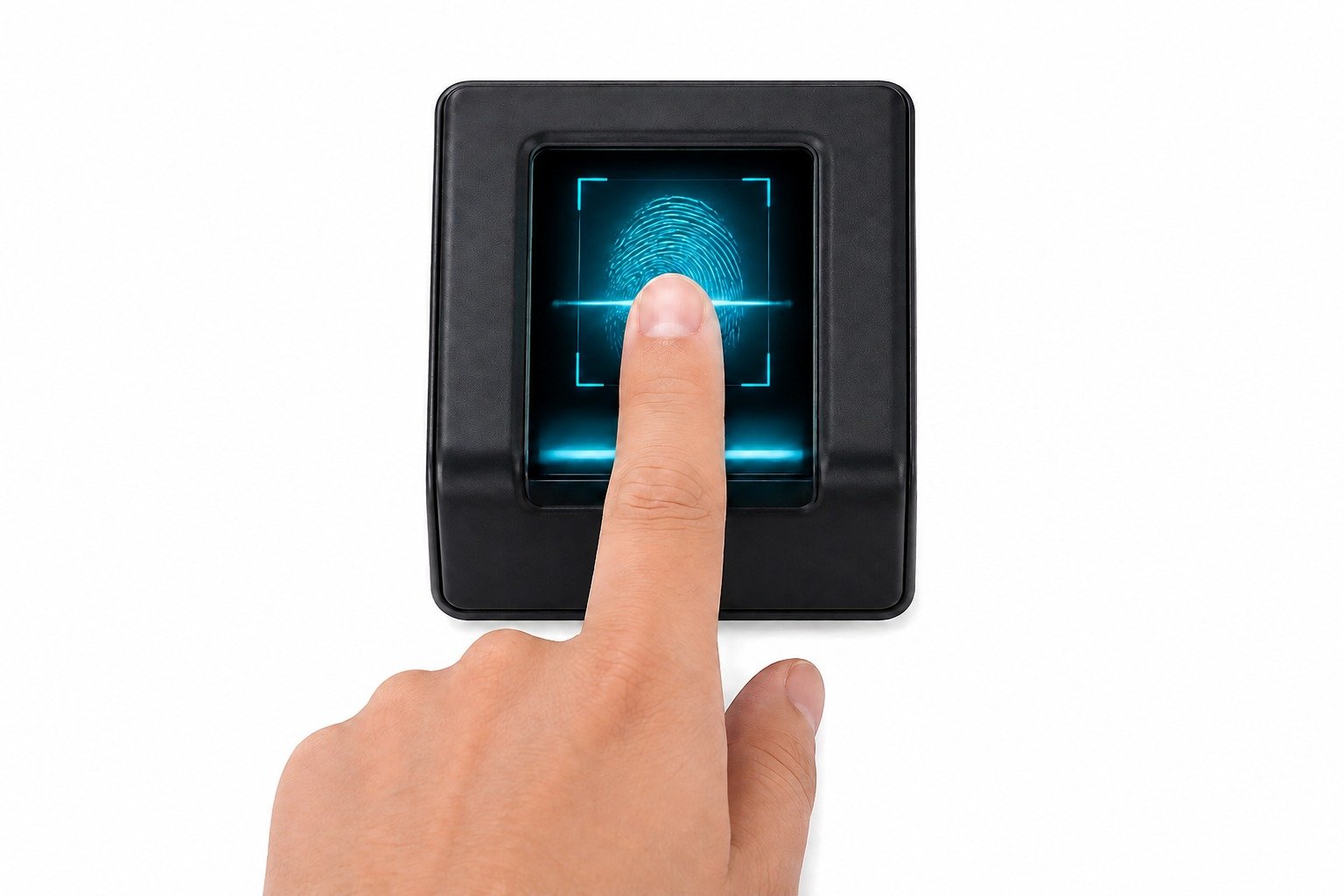

Choosing the right career can be challenging, especially when students have multiple interests but are unsure which direction suits their abilities and learning preferences. A structured assessment can help individuals understand themselves better and make more informed educational and career decisions.
A Fingerprint analysis career test is often explored as a way to gain insights into natural abilities, learning preferences, personality traits, and areas of interest. When combined with professional counselling, such assessments can become a useful starting point for discussing suitable career and education options.
What Is a Fingerprint Analysis Career Test?
A Fingerprint analysis career test is an assessment-based approach that uses fingerprint patterns as part of a broader process of understanding an individual’s abilities, preferences, and potential areas of development.
The purpose is not to suggest that one fingerprint pattern automatically determines a person’s career. Instead, the assessment can be used as one source of information during a structured counselling process.
For students, this can help create conversations around questions such as:
- What are my natural areas of interest?
- How do I prefer to learn?
- What are some of my key strengths?
- Which skills could I develop further?
- What types of careers could match my interests and abilities?
- Which educational options should I explore?
The value of an assessment is therefore closely connected to how its results are interpreted and discussed.
How Can It Help With Career Planning?
Career planning involves more than simply selecting a popular profession. Students have different interests, abilities, learning preferences, and personal goals. Understanding these factors can make career discussions more structured.
A fingerprint-based assessment may provide insights into areas such as:
Learning preferences:
Understanding how a student prefers to receive and process information can help parents and educators explore more suitable learning approaches.
Multiple abilities:
An assessment may highlight different areas of ability that can be discussed during counselling and skill development planning.
Personality characteristics:
Understanding behavioural tendencies can encourage individuals to reflect on how they approach tasks, communication, teamwork, and decision-making.
Areas of interest:
Identifying interests can help students explore education and career options that genuinely appeal to them.
Career exploration:
Assessment insights can provide a starting point for researching different professions rather than selecting a career based only on marks, trends, or external expectations.
Why Professional Counselling Matters
Assessment results should be treated as guidance rather than a final answer about someone’s future.
A student may receive insights into several areas but still need to consider academic performance, personal interests, skills, family circumstances, educational opportunities, and long-term goals.
This is where counselling can make the process more meaningful. A trained counsellor can help explain the assessment findings, discuss possible career directions, identify areas for skill development, and create practical next steps.
For example, a student who shows an interest in creative activities could explore design, media, communication, content creation, animation, or other related fields. Similarly, someone interested in analytical activities could investigate areas involving mathematics, technology, research, finance, or problem-solving.
The assessment becomes a conversation starter rather than a rigid career prescription.
Fingerprint Analysis Career Test for Students
Parents often want to understand their child’s strengths before choosing subjects, courses, or extracurricular activities. A Fingerprint analysis career test can be incorporated into a broader student counselling process to encourage self-awareness.
Instead of asking only, “What career should my child choose?”, parents can consider broader questions:
- What does my child enjoy learning?
- Which activities naturally attract their attention?
- What skills should they strengthen?
- What learning environment may suit them?
- Which career areas are worth exploring?
- What educational roadmap could support their interests?
This approach allows children to participate more actively in career discussions and gradually develop confidence in making educational decisions.
How MindTech International Supports Career Understanding
MindTech International focuses on helping students, parents, educators, counsellors, and professionals understand individual strengths and career-related preferences through structured assessment and counselling.
Its approach includes DMIT-based assessment, reporting, counselling, and guidance designed to help individuals explore areas such as learning preferences, behavioural tendencies, abilities, multiple intelligences, and possible career directions.
Rather than treating an assessment report as the final destination, the process can be used to support a broader journey:
Assessment → Understanding → Career Direction → Skill Mapping → Education Planning → Mentoring → Continued Growth
This type of structured approach can help students and parents move from general uncertainty toward more focused career conversations.
What Should You Consider Before Taking an Assessment?
Before choosing any career assessment, it is useful to understand what the assessment actually measures and how the results will be used.
Consider the following:
1. Look Beyond a Single Result
No assessment should be the only factor behind an important education or career decision. Results should be considered alongside interests, academic performance, skills, goals, and personal circumstances.
2. Ask About Counselling Support
A detailed report becomes more useful when a qualified counsellor explains the findings and connects them with practical educational or career options.
3. Focus on Development
The objective should not simply be to identify what someone is naturally good at. It should also help identify skills that can be developed through education, practice, mentoring, and experience.
4. Encourage Self-Reflection
Students should be encouraged to think about whether the assessment findings match their own experiences, interests, and aspirations.
5. Use Results as a Starting Point
Career development is an ongoing process. Interests can change, new skills can emerge, and career opportunities continue to evolve. Assessment insights can therefore be revisited as the individual grows.
Making Career Decisions With Greater Clarity
A Fingerprint analysis career test can be one component of a structured career counselling process for individuals who want to explore their abilities, learning preferences, behavioural characteristics, and possible career directions.
The most useful outcome is not simply receiving a report. It is gaining a clearer understanding of yourself and using that information to explore realistic educational and professional opportunities.
With appropriate counselling and continuous skill development, assessment insights can become part of a broader career-planning journey. For students and parents, this can create a more informed discussion around education, strengths, interests, and future possibilities.
MindTech International combines assessment, reporting, and counselling to help individuals explore their abilities and make more informed decisions about education and career development.